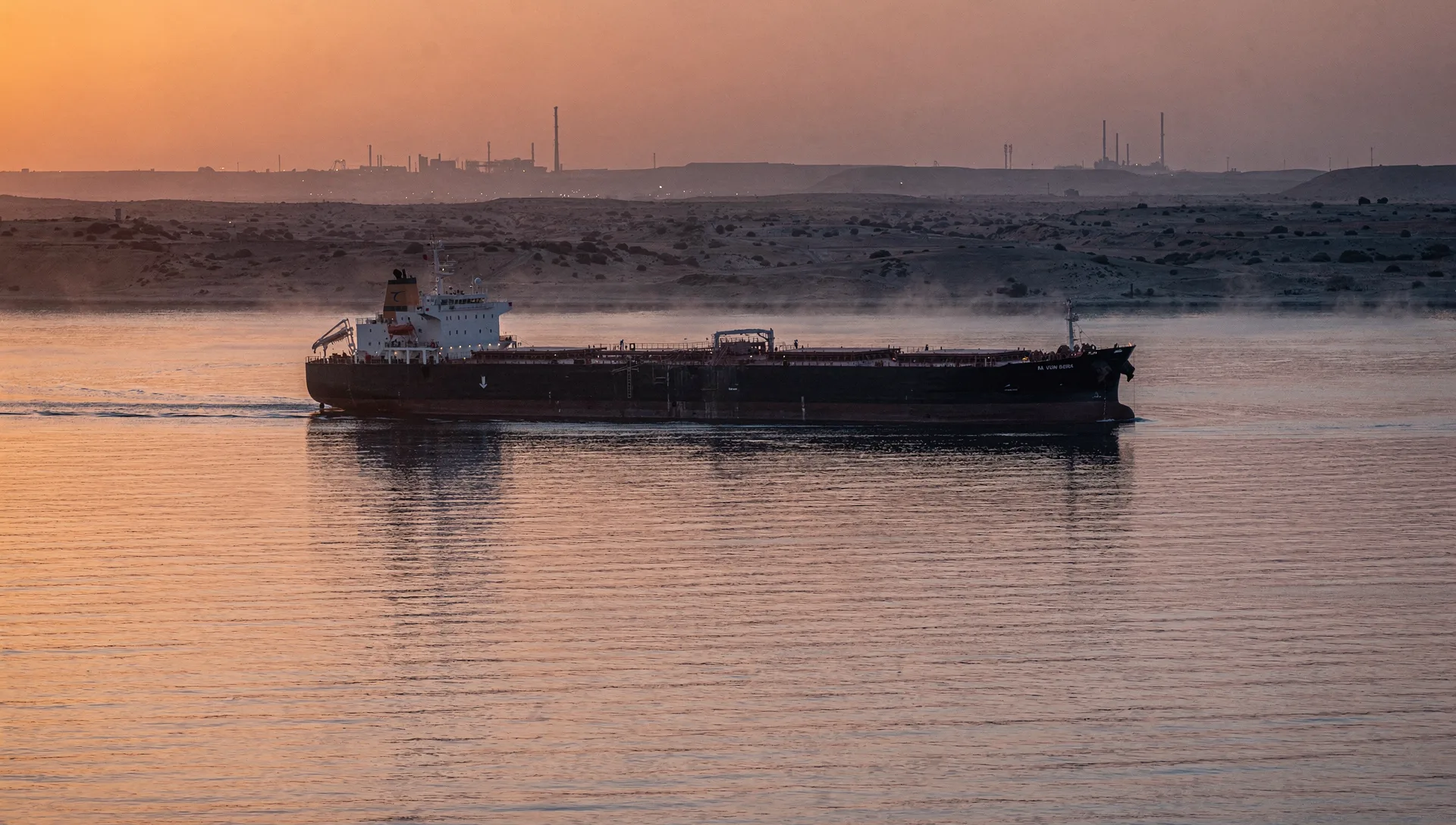

TL;DR: The Strait of Hormuz has not reopened in any normal sense, yet Gulf oil exports have largely recovered by going around it or through it on shuttle tankers. For companies that use the strait, the business impact now sits in insurance terms, carrier surcharges, contract wording and stock levels, and the brief June reopening showed that none of these move back when traffic does.
Key takeaways:
- Windward counted 55 visible transits through Hormuz between 16 and 23 September 2026, about 94 percent fewer than the roughly 910 a week it counted before the war.
- In September, 60 percent of Gulf crude still physically crossed the strait, mostly on shuttle tankers, against 83 percent before the war, according to Kpler.
- After the US-Iran memorandum of 17 June 2026, daily transits rose to about 20, roughly one fifth of normal, and fell back to about five in mid-July, when Iran declared the strait closed again and the US resumed its blockade.
- Gard and other P&I clubs cancelled war cover from 5 March 2026 and reinstated it with exclusions for the Gulf and the Gulf of Oman.
Two numbers from this autumn describe the same stretch of water very differently. Kpler data showed Gulf crude exports, leaving Iran aside, back at their pre-war average in September, with at least 16.5 million barrels a day leaving the region.[^1][^2] In one week of that same month, Windward counted 55 ships crossing the Strait of Hormuz, where about 910 had crossed in an ordinary pre-war week.[^3]
What the June Reopening Actually Restored
The best test of what comes back when the strait opens is the one the market has already run. The memorandum agreed between Washington and Tehran on 17 June produced about four weeks of partial traffic. Then Iran declared the waterway closed again and the US resumed its blockade of Iranian ports.[^4][^5]
- Transits. Daily crossings rose to about 20 after 17 June, roughly one fifth of the pre-war level of about 100, and fell back to about five after 14 July.[^4] The busiest day in Kuehne+Nagel's data was 46 vessels, on 14 July, and the forwarder reported that most carriers still avoided the strait.[^6]
- Insurance. War-risk premiums fell to about 2 percent of hull value after the memorandum, against about 0.25 percent before the war. By late July they were back at 7.5 to 10 percent.[^7][^5]
- Broker sentiment. In late June, Lockton told the Khaleej Times the market was "beginning to stabilise" but that "it's not a reset." AU Group said risk repriced that sharply "does not unwind overnight."[^8]
- Cargo backlog. US imports from Hormuz-affected ports fell 93.2 percent in May from a year earlier, to about 100,000 tonnes, according to Descartes. Gene Seroka of the Port of Los Angeles said clearing backlogs would take months and that "you definitely don't want to be first in line."[^9][^10]
Four weeks of open water bought a fifth of the traffic and about a month of cheaper cover. Most of the cost of using the strait stayed where it was.

Maritime Risk Pricing Moves on Its Own Clock
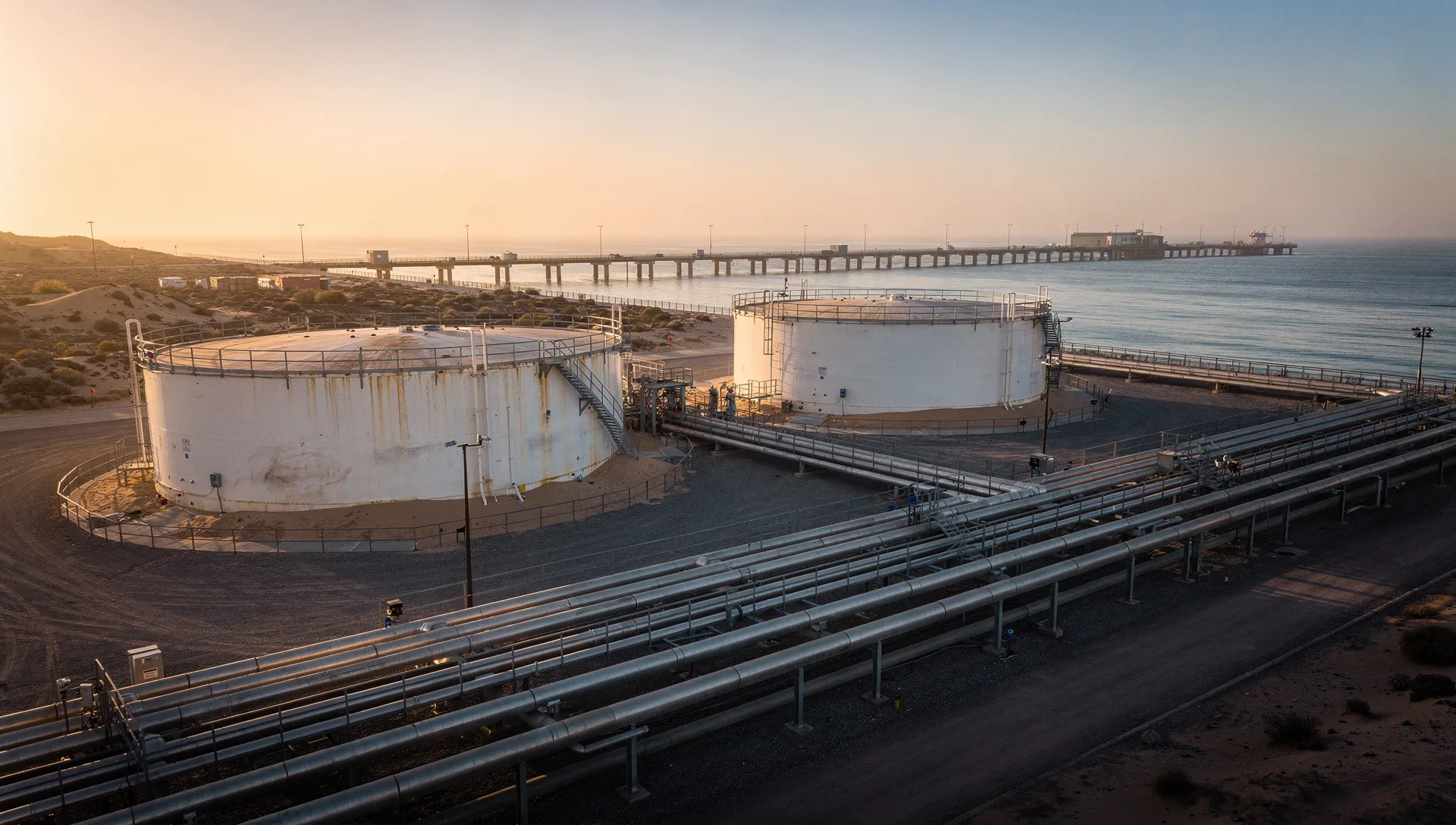
Oil came back by working around the strait, not by a return to ordinary shipping. Kpler found that in September 23 percent of Gulf crude loaded at Fujairah and 17 percent left via the Red Sea. Before the war, routes that avoid Hormuz carried 17 percent of the total. Kuwait, Qatar and most of Iraq have no bypass route at all.[^2][^1] Even that recovery did not hold. Crude through Hormuz averaged about 8.5 million barrels a day in the week to 12 October, nearly 40 percent below pre-war levels, as attacks increased.[^7][^11] Lloyd's List Intelligence counted at least 28 attacks in October by the 22nd, the highest monthly total since the war began.[^12]
What the record shows: the cost of a Gulf call is now set by several parties, and each reprices on its own schedule. P&I clubs led by Gard cancelled war cover from 00:00 GMT on 5 March and reinstated it with exclusions for Iranian waters and for the Gulf and adjacent waters, including the Gulf of Oman.[^13][^14] Maersk's update of 23 September charges 1,000 dollars per container on any vessel transiting Hormuz, adds emergency freight charges of 1,800 dollars per 20-foot container, and moves cargo overland through Salalah, Khor Fakkan, Fujairah and Aqaba.[^15] BIMCO, which publishes the standard charter forms, asked the industry in August where those forms had shown gaps. Its list included safe port and safe route, off-hire, and "allocation of responsibility for additional war risk premiums."[^16]
What we infer: each of these is a separate decision with its own trigger. An underwriter wants weeks of quiet before cutting a rate. A carrier lifts a surcharge when its own network is back in shape, which may come well after ships start moving. A charter form changes when a committee meets. Nothing in June suggests they will move together.
Verisk Maplecroft's six-month review argued that market adaptations had blunted the economic shock and weakened the pressure to end the conflict. It advised firms to build the premium into procurement and insurance planning "as a longer-term cost."[^17] That is a judgement, not a finding, but the October numbers have supported it so far.
Supply Chain Risk Planning for a Strait That Stays Half Shut
The tempting move is to set one trigger, "the strait reopens," and hang every recovery decision on it. June showed that trigger can fire and then reverse inside a month. A sound approach to geopolitical risk in the Gulf for 2027 keeps the clocks apart.
Start with insurance. Ask brokers what evidence of de-escalation would cut the rate, and by how much, then budget for the gap. In late August, after several calmer weeks, premiums were still 3 to 8 percent of hull value.1
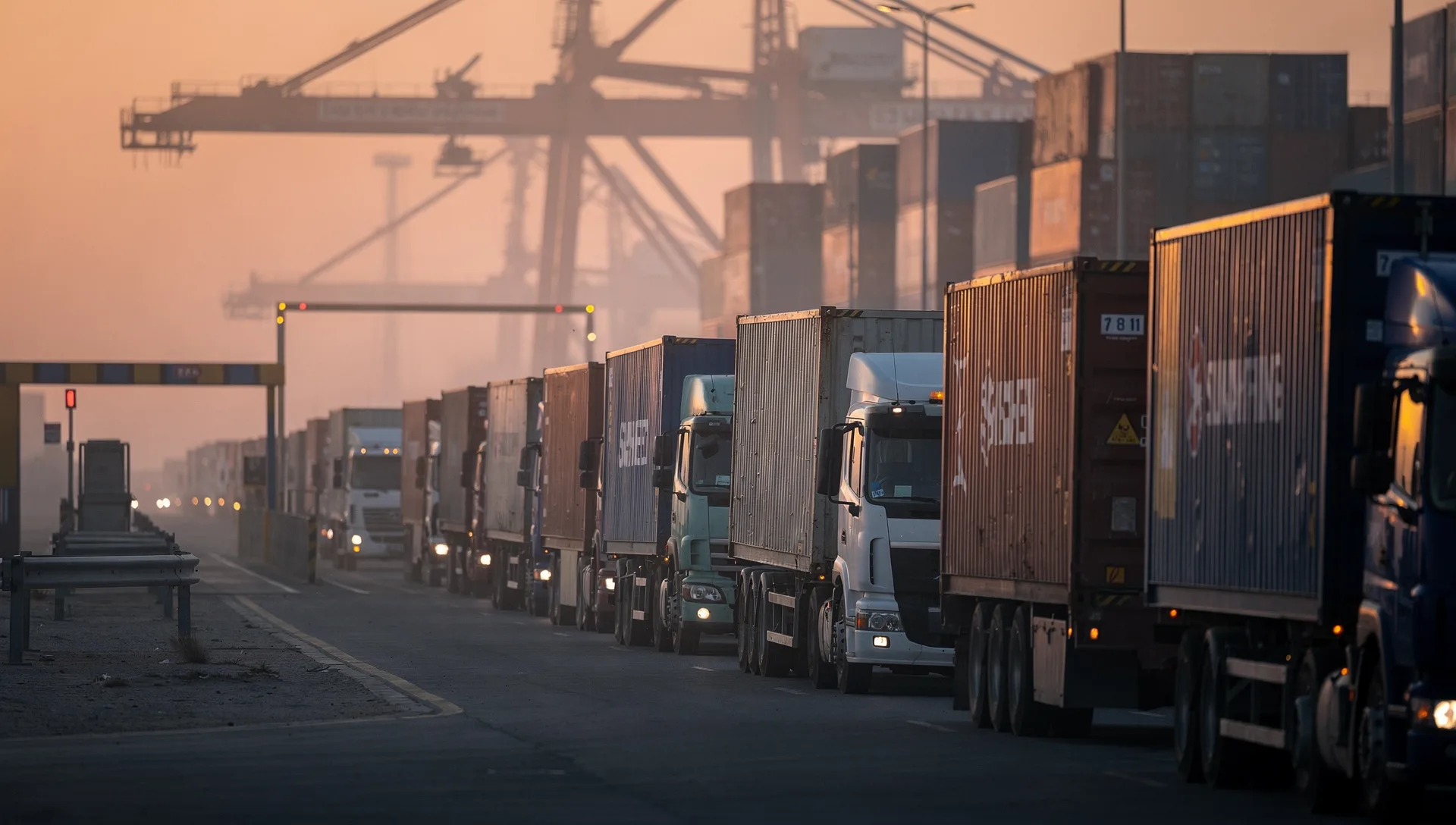
Then freight. List every surcharge on Gulf lanes with the condition the carrier has given for removing it. Maersk's fee applies to any Hormuz transit, while cargo routed overland pays a different set of costs, and neither will vanish on the day ships go back.2
Then contracts. Our earlier note on force majeure in the March closure covered notice periods and the legal test. The recovery question is different. Who pays the extra premium on a voyage that is lawful but expensive? Can an owner refuse a strait that is open on paper under a safe-route clause? The BIMCO review is where those answers are likely to be written.3
Stock last. GEP reported in June that safety stockpiling had reached its highest level since January 2023.4 BCG warned in August that supply chains "often overcorrect through double ordering and safety stock buildup," with effects that last "well after the chokepoint reopens."5 A firm that built buffers in the spring now holds stock bought at crisis freight rates. Running it down on the first good headline would repeat June, when the reopening lasted less than four weeks.
LNG buyers face a sharper version of the routing problem, since Qatar has no bypass route.6 Our note on the LNG decision window covers it, and the wider picture is on the energy sector page.
Fortius Intel note: Replace the single "reopening" trigger in Gulf contingency plans with four conditions: a broker quote below a premium you set in advance, carrier withdrawal of Hormuz surcharges, P&I clubs lifting the Gulf exclusion, and two straight weeks of transits above half the pre-war count. Until all four hold, budget 2027 Gulf logistics at today's cost.
Methodology: this note draws on Kpler and Windward vessel and cargo data as reported by Euronews, Oil & Gas Middle East and Insurance Business; Lloyd's List Intelligence; carrier and forwarder notices from Maersk and Kuehne+Nagel; the Gard P&I circular; BIMCO; Verisk Maplecroft, BCG and GEP analysis; and reporting from Al Jazeera, The National, Khaleej Times, Maritime Executive, Insurance Journal, Supply Chain 24/7 and DC Velocity. Pre-war baselines differ by data provider and are attributed each time. Figures were checked against a second independent source where one exists, and single-source figures are marked in the footnotes.
Footnotes
-
Insurance Business, "Hormuz sinking hands marine war underwriters another total loss as attacks surge," 14 October 2026, https://www.insurancebusinessmag.com/us/news/marine/hormuz-sinking-hands-marine-war-underwriters-another-total-loss-as-attacks-surge-593549.aspx (retrieved 6 November 2026). Source for: war-risk premiums of about 0.25 percent of hull value before the war, about 2 percent after the June memorandum, 7.5 to 10 percent in late July and 3 to 8 percent in late August; crude through Hormuz of about 8.5 million barrels a day in the week to 12 October, nearly 40 percent below pre-war levels (Kpler data via CNBC). Cross-check of the late July range: S&P Global, 22 July 2026, https://www.spglobal.com/energy/en/news-research/latest-news/shipping/072226-middle-east-shipping-insurance-costs-rise-on-hormuz-risks-marsh (retrieved 6 November 2026). ↩
-
Maersk, "Middle East operational update 49," 23 September 2026, https://www.maersk.com/news/articles/2026/09/23/middle-east-operational-update-49 (retrieved 6 November 2026). Source for: the additional fee of 1,000 dollars per container for vessels transiting Hormuz; emergency freight charges of 1,800 dollars per 20-foot container; landbridge routing via Salalah, Khor Fakkan, Fujairah and Aqaba. Single source: this is the carrier's own notice. ↩
-
BIMCO, "BIMCO seeks industry input on contractual gaps from Gulf disruption," 21 August 2026, https://www.bimco.org/news-insights/bimco-news/2026/08/21-gulf-contracts/ (retrieved 6 November 2026). Source for: the request for input on gaps in contract frameworks; the issues listed, including safe port and safe route, off-hire, and allocation of responsibility for additional war risk premiums. We found no published outcome. ↩
-
GEP, "Safety stockpiling hits highest level in over three years as businesses rush to protect against disruption," 10 June 2026, https://www.gep.com/newsroom/safety-stockpiling-hits-highest-level-over-three-years-businesses-rush-protect-against (retrieved 6 November 2026). Source for: reports of safety stockpiling in May 2026 at the highest level since January 2023. ↩
-
Boston Consulting Group, "Maritime Chokepoints: Five Lessons from the Strait of Hormuz," 24 August 2026, https://www.bcg.com/publications/2026/strait-of-hormuz-disruption-lessons (retrieved 6 November 2026). Source for: supply chains that "often overcorrect through double ordering and safety stock buildup"; effects lasting well after the chokepoint reopens. Attributed analysis. ↩
-
Kpler, "Explainer: how Mideast Gulf crude exports returned to pre-war levels," 2026, https://www.kpler.com/blog/explainer-how-mideast-gulf-crude-exports-returned-to-pre-war-levels (retrieved 6 November 2026). Source for: the strait closing on 28 February; in September, 60 percent of Gulf crude crossing the strait, mostly on shuttle tankers, 23 percent loading at Fujairah and 17 percent leaving via the Red Sea; 83 percent crossing Hormuz before the war; Kuwait, Qatar and most of Iraq having no bypass route. Cross-check of the September recovery: Euronews (AFP), 5 October 2026. ↩
About the author
Jay Bimbrah, Co-Founder & COO. A former Scotland Yard counter-terrorism investigator, Jay has advised EMEA tier-1 banks and Lloyd's market firms on distinguishing real exposure from theoretical risk.