
Field Notes
Political Risk Insurance Renewals for 2027: What Underwriters Now Ask Before They Quote

TL;DR: The 2027 renewal will feel like two markets. Classic political risk insurance, which covers expropriation, currency and contract frustration, is stable and priced for small increases. Political violence and war cover in the Middle East is scarce and expensive, and underwriters now want exposure data broken down by country and site before they quote either.
Key takeaways:
- WTW's October 2026 outlook forecasts political risk insurance rates of 0 to 5 percent for 2027, with appetite more selective for China, large multi-country programmes and Middle East violence exposures.
- Marsh's Omar Gemei put Middle East political violence capacity at more than $1 billion before the conflict, $250 million to $350 million in July 2026 and $100 million to $300 million in October.
- Marsh Re estimated Middle East losses in war, terrorism and political violence above $2 billion against about $2.5 billion of annual premium, the class's first loss-making year since 2001.
- Howden Re reported at the July 2026 renewal that single-location risks were placing more easily than large multi-location programmes.
"Can change within 24 hours." That was how Wajih Tabbara of Howden Re in Dubai described the strike target lists underwriters were working against at the July 2026 reinsurance renewal.[^1] When the risk itself moves that fast, an underwriter's first question is no longer the premium. It is how well the buyer knows where its own assets sit.

Two Markets Sold Under One Name
WTW tracks political risk and political violence as separate lines, and buyers often place them together. For 2027 they behave very differently.[^2]
- Classic political risk is stable. WTW's 1 October 2026 outlook forecasts political risk insurance and trade disruption rates of 0 to 5 percent for 2027 and says capacity "remains generally available across most political risk perils," though appetite has become more selective.[^2]
- Capacity stopped shrinking. WTW's January 2026 survey of 76 credit and political risk insurers found political risk capacity per transaction up about 3 percent, which ended a 24-month slide.[^3]
- Claims are rising. The same survey put new credit and political risk claims at $85.4 million, the highest in five years.[^3] In Willis's Political Risk Survey, published in May 2026, losses from geopolitical causes exceeded $250 million for the third year running.[^4][^5]
- Gulf violence cover is the exception. WTW says many insurers have restricted or suspended new Middle East political violence business.[^2] Marsh's Omar Gemei told AGBI in July that capacity had fallen from more than $1 billion before the US-Iran conflict to $250 million to $350 million, and told EnterpriseAM in October that it was $100 million to $300 million.[^6][^7]
The pricing gap is wider still. Gemei put pre-war political violence rates at 0.1 to 0.3 percent of the limit and current rates at 2 to 10 percent.[^6][^7] Marsh Re estimated Middle East losses across war, terrorism and political violence above $2 billion against about $2.5 billion of annual premium, which would make 2026 the class's first loss-making year since 2001.[^8][^9]
WTW expects most buyers to see only modest increases, with pricing pressure "concentrated in regions and sectors exposed to conflict, political violence, trade disruption."[^2] What we infer: a renewal that mixes those exposures with quieter ones risks being priced on Gulf terms unless the buyer separates them.
Concentration Risk Is What Underwriters Now Price
The common thread is aggregation. Underwriters are less worried about any single country than about many exposures failing together.
WTW reports that a growing number of insurers prefer single-country risks, and that multi-country and global portfolios get more scrutiny for aggregation, sanctions exposure and correlated geopolitical events.[^2] Howden Re saw the same thing on the political violence side in July: capacity went out in smaller line sizes, and single-location risks did better than large multi-location programmes.[^1] Gemei said an insurer that once wrote $100 million on a single risk might now offer about $10 million, so brokers have to spread a placement across more markets.[^6]
Read together, that reporting points to four things a buyer should have ready before asking for a quote.
- A country-by-country exposure schedule. WTW's concern is correlation across countries, so show insured values, contract values and currency flows by jurisdiction and let the underwriter see it instead of guessing at it.[^2]
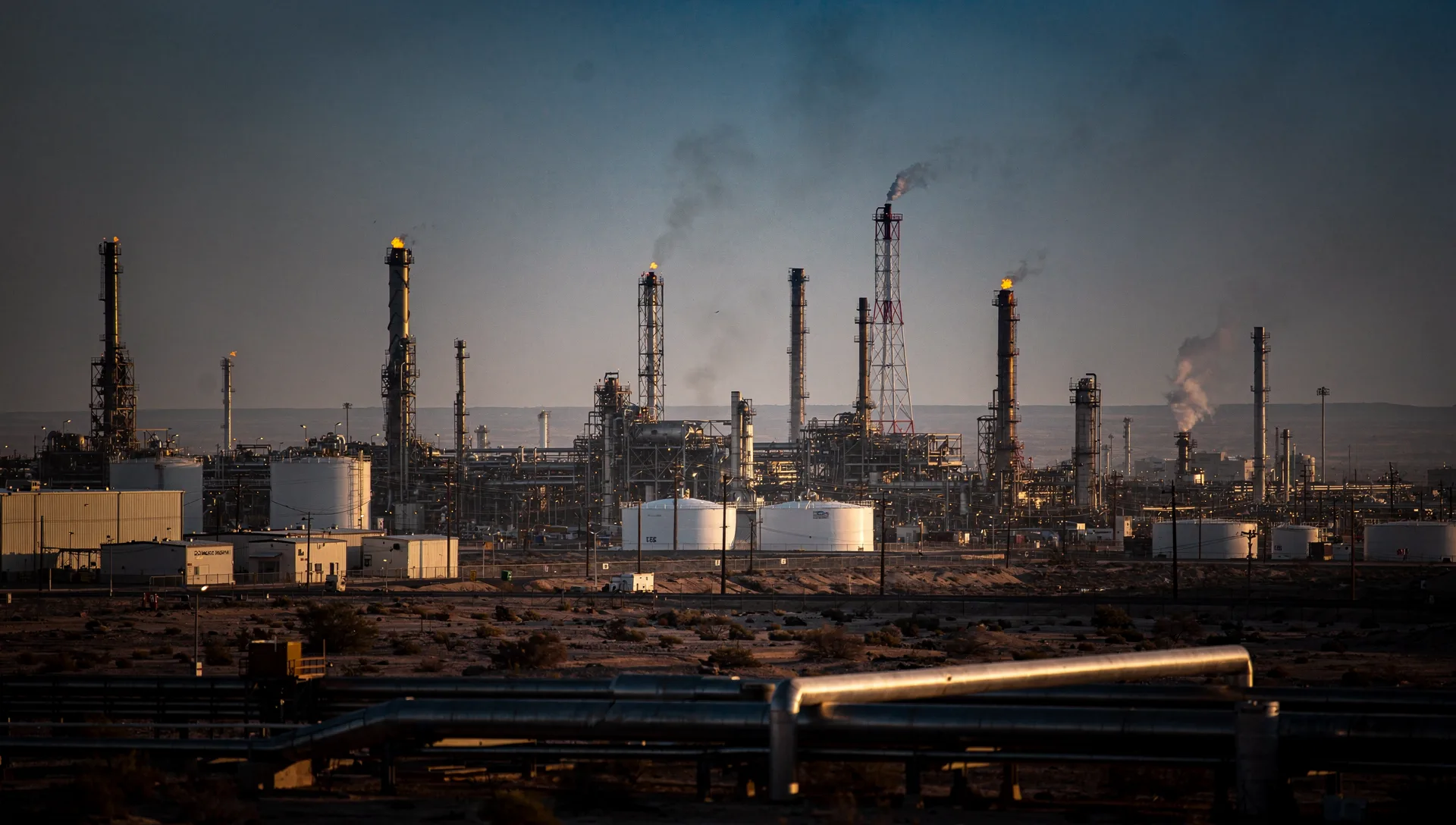
- Site-level data for political violence. Tabbara said clients in high-exposure territories need "clean risk data and a clear narrative around exposure management" to secure cover.[^1] Reinsurers were declining risks tied to airports, refineries, desalination plants and ports.[^1]
- A sanctions picture. WTW names sanctions exposure among the factors that draw scrutiny on multi-country programmes.[^2] An insurer cannot pay a claim that a sanctions regime forbids, so a counterparty the buyer cannot clearly screen is a risk the insurer will price.
- An honest read of the wording. Hannover Re's Sven Althoff said most marine war policies now impose a 12-month waiting period before blocking and trapping cover responds.[^9] Buyers should expect the same scrutiny on any trigger that depends on time running out.
What we infer: the information an underwriter wants is close to what a good geopolitical risk assessment already produces. Exposure by country, correlation between sites, sanctions status of counterparties. The buyer that cannot produce it quickly will be quoted on the underwriter's worst assumptions.
China is the other name WTW singles out for selective appetite.[^2] A buyer with plants, receivables or long contracts there should expect the same concentration questions, with or without a claims history.

Preparing the Political Risk Insurance Submission
Corporate demand is shifting under the market too. In the Willis survey, 61 percent of respondents said rising tariffs were the hardest political risk to manage, ahead of violent conflict, and 84 percent were preparing, or considering preparing, for "Eastern" and "Western" parts of their business to run as structurally independent systems.12 A firm building that kind of split is changing the very aggregation picture its underwriter will ask about.
What we recommend for buyers renewing in 2027:
- Separate the programmes. Place classic political risk on its own terms, where WTW sees rate rises of 0 to 5 percent, rather than letting Gulf political violence set the tone for the whole renewal.3
- Bring the exposure schedule early. Insurers reviewing smaller lines need more of them, and a broker with clean data can approach more markets in the same time.45
- Price the Gulf on its own. With rates of 2 to 10 percent of the limit, a buyer may decide to retain some violence risk in the region instead of buying the full limit.6
- Check new capacity. The Fidelis Partnership launched a Middle East political violence consortium in June with up to $47.5 million per risk.47 New entrants change what a full placement costs.
Our earlier note on war-risk premiums as a market signal reads the same pricing from the other side, and the Hormuz business impact note shows how slowly those premiums fall. Sector coverage is on our financial services page.
Fortius Intel note: Our view is that the cheapest thing a buyer can do before the 2027 renewal is split its exposure data by country and site. Underwriters have said, in rates and in line sizes, that they will charge for correlation they cannot see. A buyer that shows it will pay for the risk it actually holds.
Methodology: this note draws on WTW's October 2026 political risk outlook and May 2026 capacity survey, read through WTW's own pages and report PDF; Marsh comments to AGBI and EnterpriseAM; Howden Re analysis reported by Insurance Business; Marsh Re's Global Specialties 2026 update as reported by Insurance Business and Business Insurance; and the Willis Political Risk Survey as reported by Reinsurance News and Insurance Business. Capacity figures from Marsh changed between July and October 2026 and are given with their dates. This is not insurance or legal advice.
Footnotes
-
Reinsurance News, "Economic policy risks eclipse conflict concerns in WTW's latest survey," 12 May 2026, https://www.reinsurancene.ws/economic-policy-risks-eclipse-conflict-concerns-in-wtws-latest-survey/ (retrieved 11 November 2026). Source for: 61 percent naming the impacts of rising tariffs as most difficult to manage; 84 percent preparing or considering preparing for structurally independent "Eastern" and "Western" segments; related losses above $250 million for the third year running. ↩
-
Insurance Business, Josh Recamara, "Political risk shifts from war zones to 'contested systems', Willis warns," 13 May 2026, https://www.insurancebusinessmag.com/uk/news/breaking-news/political-risk-shifts-from-war-zones-to-contested-systems-willis-warns-574974.aspx (retrieved 11 November 2026). Source for: cross-check of 61 percent on tariffs, 84 percent on East and West separation, and losses above $250 million for the third consecutive year in the ninth Willis Political Risk Survey. ↩
-
WTW, "Insurance marketplace realities 2027: Political risk," 1 October 2026, https://www.wtwco.com/en-us/insights/2026/10/insurance-marketplace-realities-2027-political-risk (retrieved 11 November 2026). Source for: rate predictions of 0 to 5 percent for political risk insurance and trade disruption insurance in 2027; capacity "remains generally available across most political risk perils"; more selective appetite; a preference for single-country risks; scrutiny of multi-country portfolios for aggregation, sanctions exposure and correlated geopolitical events; selective appetite for China, large multi-country programmes and Middle East violence exposures; many insurers restricting or suspending new Middle East political violence business. Single source: the broker's own forecast. ↩
-
Insurance Business (Reinsurance Business), Mark Rosanes, "Political violence reinsurance tightens at 1 July renewal," 2 July 2026, https://www.insurancebusinessmag.com/reinsurance/news/breaking-news/political-violence-reinsurance-tightens-at-july-renewal-581045.aspx (retrieved 11 November 2026). Source for: Howden Re's Wajih Tabbara on a target list that "can change within 24 hours" and on clients needing "clean risk data and a clear narrative around exposure management"; smaller line sizes; single-location risks achieving more success than multi-location programmes; reinsurers declining risks tied to airports, refineries, desalination plants and ports; the Fidelis Partnership consortium of up to $47.5 million per risk in the Middle East. ↩ ↩2
-
AGBI, John Crowley, "War-risk premiums surge as insurers cut cover," 30 July 2026, https://www.agbi.com/analysis/finance/2026/07/premiums-surge-as-insurers-cut-war-risk-cover/ (retrieved 11 November 2026). Source for: Marsh's Omar Gemei on Middle East war risk capacity falling from more than $1 billion to $250 million to $350 million; an insurer that once wrote $100 million on a single risk now offering about $10 million; average rates rising from 0.2 to 0.3 percent to 3 to 10 percent; Marsh's estimate of political violence losses above $3 billion from 1 March to 24 July 2026. ↩
-
EnterpriseAM, "Soaring insurance costs are one indicator of the new burdens on AI building in the Gulf," 22 October 2026, https://enterpriseam.com/ai/2026/10/22/soaring-insurance-costs-are-one-indicator-of-the-new-burdens-on-ai-building-in-the-gulf/ (retrieved 11 November 2026). Source for: Gemei on a pre-war regional limit of $1 billion at 0.1 to 0.3 percent of the limit; capacity of $100 million to $300 million and premiums of 2 to 10 percent of the limit by October 2026. Cross-check of the scale of the fall: Beinsure, 2 November 2026, https://beinsure.com/news/gulf-war-insurance-capacity-falls-80-as-iran-conflict-disrupts-events/, citing Marsh at about $200 million in the first quarter of 2026 and rates on line of 2 to 11 percent. ↩
-
Insurance Business (Reinsurance Business), Rod Bolivar, "War risk reinsurance posts first loss since 9/11," 22 September 2026, https://www.insurancebusinessmag.com/reinsurance/news/breaking-news/war-risk-reinsurance-posts-first-loss-since-911-590652.aspx (retrieved 11 November 2026). Source for: Marsh Re's Global Specialties 2026 Market Update putting Middle East war, terrorism and political violence losses north of $2 billion against a gross premium base of about $2.5 billion, the first loss-making year since 2001; cross-check of the Fidelis consortium of up to $47.5 million per risk. ↩
About the author
Jay Bimbrah, Co-Founder & COO. A former Scotland Yard counter-terrorism investigator, Jay has advised EMEA tier-1 banks and Lloyd's market firms on distinguishing real exposure from theoretical risk.