
Field Notes
Geopolitical Demand Destruction: How Political Boycotts Hit the P&L Before the Headlines Fade

TL;DR: Politically driven boycotts move from diplomatic trigger to measurable revenue loss in one to two quarters, faster than standard demand models react. Berjaya Foods' Starbucks franchise in Malaysia lost 46% of revenue in six months from Middle East conflict sentiment.
Key takeaways:
- McDonald's international same-store sales fell 1.3% in the second quarter of 2024 over the Gaza conflict.
- China's anti-dumping duties on Australian wine hit 218% in November 2020.
- Anheuser-Busch's US revenue fell 10.5% in the second quarter of 2023, costing Bud Light its top-selling US position.
- Diplomatic contact between Australia and China preceded the March 2024 tariff removal by six months.
Berjaya Foods, the Malaysian franchise holder for Starbucks, reported a 46% drop in pre-tax revenue for the six months ending December 31, 2024, its fifth consecutive quarterly loss, attributed directly to what the company called "the prolonged impact of the ongoing sentiment related to the Middle East conflict." No demand forecasting model built on GDP, disposable income, or category growth would have flagged that risk in October 2023. The trigger was a franchisee's decision on a battlefield eight time zones away, not a shift in Malaysian consumer spending power.
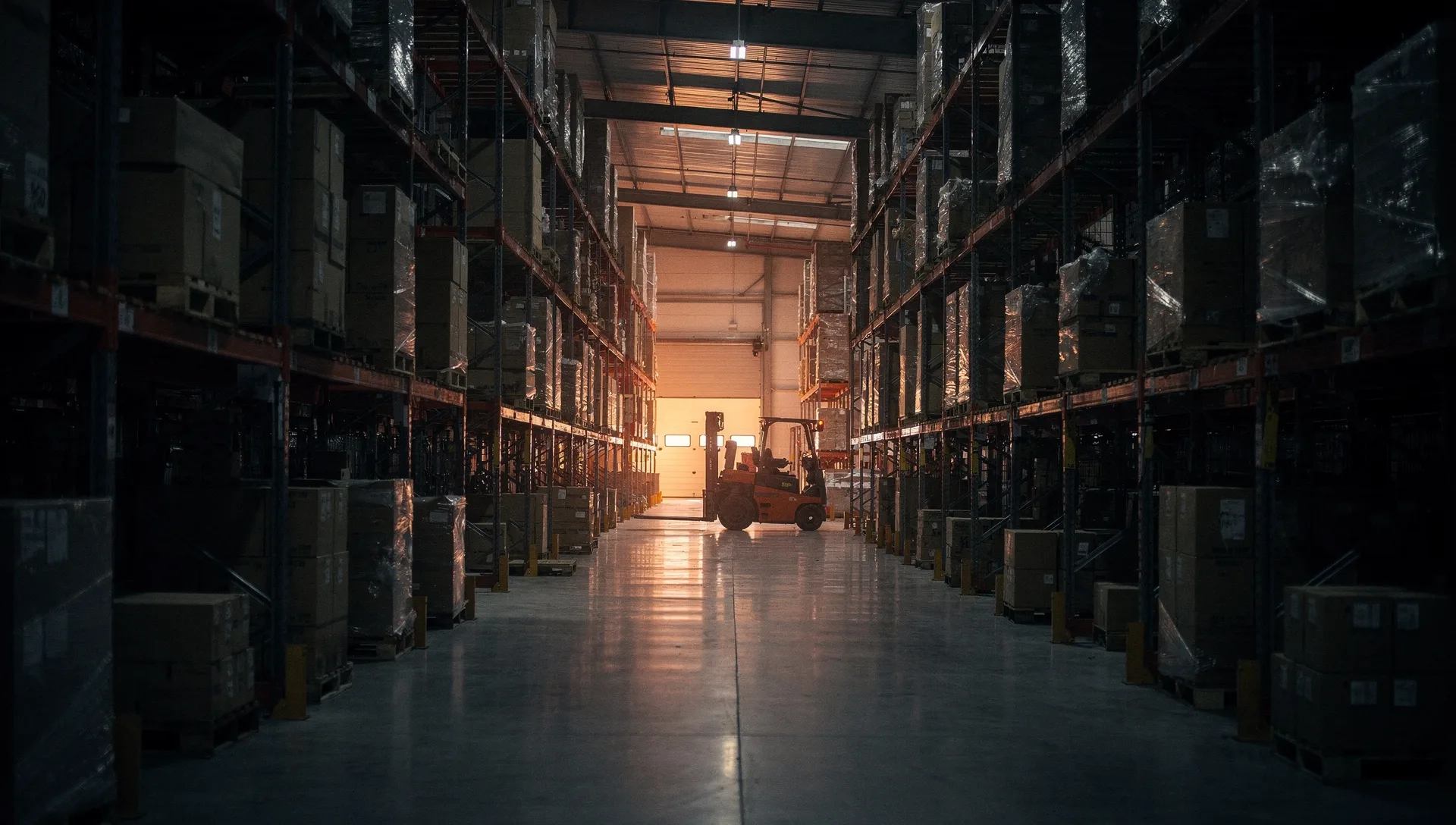
The Geostrategic Escalation Sequence: Five Stages From Trigger to Revenue
Politically driven demand destruction moves through a recognizable five-stage sequence, and the gap between the first stage and the last is where most consumer goods and retail companies lose the ability to respond before the sales data confirms the damage.
- Political or diplomatic trigger: A named event with no economic content of its own, such as the October 7, 2023 Hamas attack and Gaza conflict, or Australia's April 2020 call for an independent COVID-19 origins inquiry, which Beijing treated as a diplomatic offense.
- Activist or influencer mobilization: Organized campaigns, most visibly the Boycott, Divestment, Sanctions movement's calls against McDonald's and Starbucks after a McDonald's Israel franchisee offered free meals to soldiers, spread through social platforms faster than any company's communications team can respond.
- Retailer or corporate response: Companies issue statements, offer franchisee relief, or pull marketing campaigns. Starbucks CEO Laxman Narasimhan told analysts on the January 30, 2024 earnings call that "events in the Middle East also had an impact in the US, driven by misperceptions about our position," a response activists then cited as a data point.
- Government or customs intervention: The stage that converts sentiment into structural cost. China's Ministry of Commerce imposed anti-dumping duties on Australian wine reaching 218% in November 2020, a formal trade action layered on top of consumer boycott sentiment.
- Measurable sales and distribution impact: The stage forecasting models are built to see, but usually only after two or three quarters of lag. Treasury Wine Estates reported a 43% profit decline for the half-year ended December 31, 2020, once the tariffs took hold.
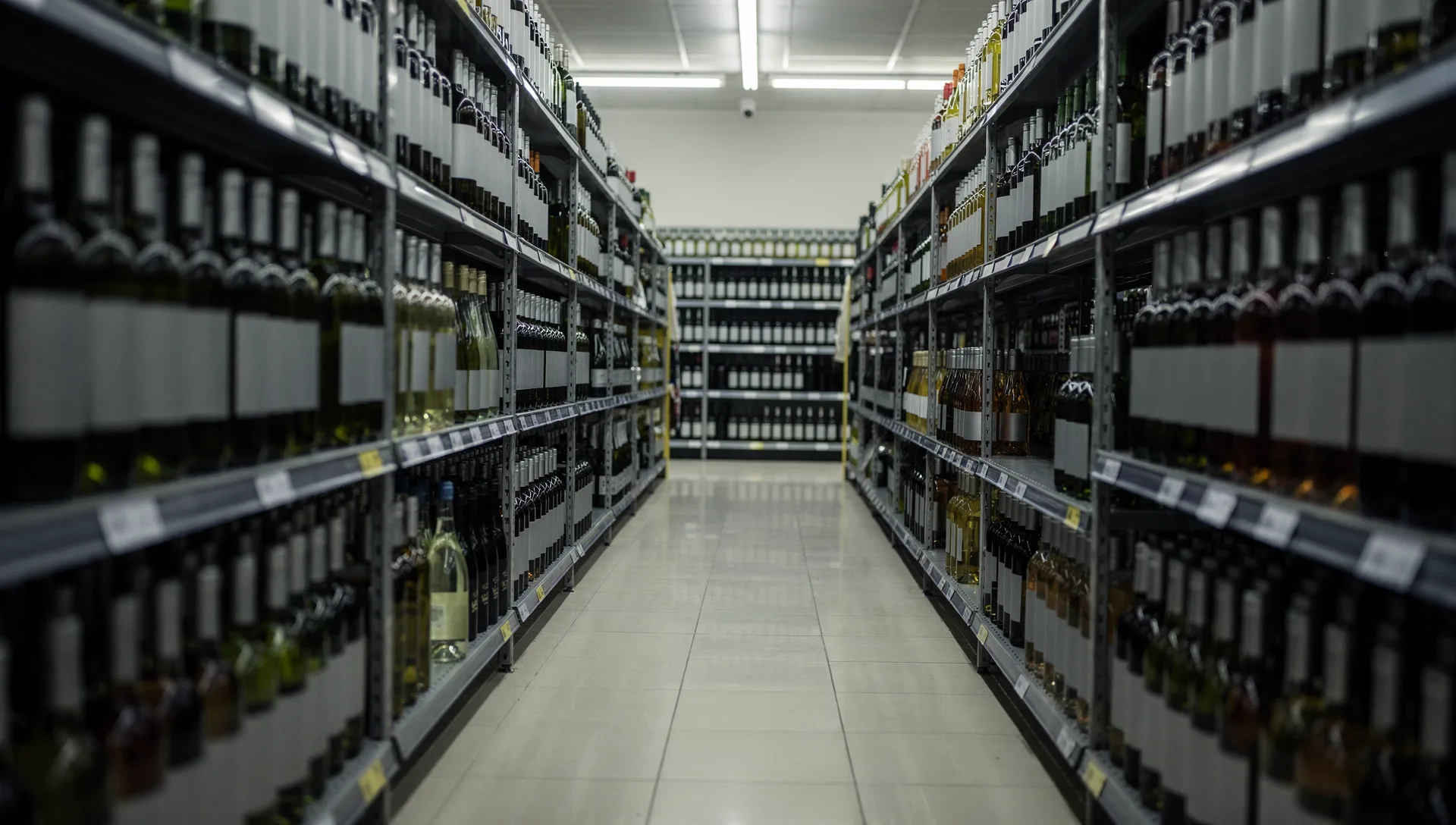
Geostrategic Case Evidence: Three Boycotts, Three Balance Sheets
The pattern holds across unrelated sectors, geographies, and political triggers. Standard demand inputs (category history, seasonality, disposable income) do not vary with a diplomatic dispute, so none of them predicted these outcomes.
McDonald's international same-store sales fell 1.3% in the second quarter of 2024, a rare miss the company tied to the Gaza conflict. CEO Chris Kempczinski told analysts on the July 30, 2024 call that France was hit harder than other markets given its Muslim population share, and McDonald's began offering royalty relief and deferred cash collection to affected Middle East franchisees, a concession showing the damage had already reached distribution economics, not just brand sentiment. The stock underperformed the S&P 500 by 26 percentage points over the first seven months of 2024.
Treasury Wine Estates offers the clearest end-to-end trace because the dispute resolved. Following Australia's 2020 pandemic-origins request, Chinese customs authorities imposed duties that eliminated close to $830 million in Australian wine trade, and TWE's Asia export income fell 28% in the first half of fiscal 2021. The tariffs stayed in place for more than three years until China lifted them on March 28, 2024, following renewed ministerial contact, including Wang Yi's trip to Canberra and Prime Minister Albanese's November 2023 visit to Beijing, the first bilateral leader visit in seven years. The de-escalation indicator arrived six months before the trade indicator did.
A parallel domestic case shows the same mechanics without a foreign government: Anheuser-Busch's US revenue fell 10.5% in the second quarter of 2023 after an April 2023 marketing partnership drew an organized boycott, and Bud Light lost the top-selling US beer position held for more than two decades. The mechanism, activist mobilization outrunning corporate response, matches the geopolitical cases even though no state actor was involved.
Geostrategic Risk Signals: Building Escalation and De-Escalation Indicators
Each of these companies had some warning. A gap of one to two quarters typically opens between trigger and revenue print, during which escalation indicators are already observable: social mobilization volume, retailer statement language, franchisee-level relief requests, and formal government trade notices. Consumer goods and retail companies that track category sales alone miss all of this until same-store sales already reflect it.
An operating model built for this risk separates escalation indicators (diplomatic statements naming a company or country, activist campaign reach, retailer or platform delisting signals, customs notice filings) from de-escalation indicators (restored ministerial contact, reversed tariff schedules, franchisee relief programs winding down). Fortius Intel treats this as a distribution and inventory planning input, not a communications function output, because by the time geopolitical risk shows up in brand sentiment tracking, it is often already inside the supply chain.
Manufacturers and retailers exposed to politically sensitive markets should apply the same rigor to diplomatic and social trigger events as to a currency shock or tariff announcement, tracked weeks, not quarters, ahead of the sales data.
Fortius Intel note: The companies in this analysis did not fail to see the boycotts coming because the events were unforeseeable. They failed because their forecasting infrastructure was not built to price political signals until those signals were already revenue.
Methodology: Analysis draws on company earnings disclosures and named executive statements reported by Fortune (July 30, 2024), Malay Mail (February 21, 2025), The Motley Fool earnings call transcripts (January 31, 2024), CNN (March 28, 2024), and NBC News (2023). All cited sources are publicly available.
Footnotes
1 Fortune, McDonald's Gaza boycott, Israel, Muslims, France, quarterly sales, Kempczinski, July 30, 2024. McDonald's international operated markets same-store sales declined 1.3% in Q2 2024, with CEO Chris Kempczinski attributing outsized impact in France to its Muslim population share. Available at https://fortune.com/2024/07/30/mcdonalds-gaza-boycott-israel-muslims-france-quarterly-sales-kempczinski
2 Malay Mail, Starbucks Malaysian franchise holder Berjaya Foods sees revenue slashed by almost half last year amid pro-Palestine boycott, February 21, 2025. Berjaya Foods reported a 46% decline in pre-tax revenue, to RM247.3 million from RM461.09 million, for the six months ended December 31, 2024. Available at https://www.malaymail.com/news/money/2025/02/21/starbucks-malaysian-franchise-holder-berjaya-foods-sees-revenue-slashed-by-almost-half-last-year-amid-pro-palestine-boycott/167475
3 The Motley Fool, Starbucks (SBUX) Q1 2024 Earnings Call Transcript, January 31, 2024. CEO Laxman Narasimhan stated the Middle East conflict created "a negative impact to our business in the Middle East" and separately affected US traffic "driven by misperceptions about our position." Available at https://www.fool.com/earnings/call-transcripts/2024/01/31/starbucks-sbux-q1-2024-earnings-call-transcript/
4 CNN, China lifts penalties on Australian wine after more than three devastating years, March 28, 2024. China's Ministry of Commerce removed anti-dumping and countervailing duties that had reached 218%, following renewed ministerial visits including PM Albanese's November 2023 trip to Beijing. Available at https://www.cnn.com/2024/03/28/china/china-lifts-australia-wine-tariffs-intl-hnk/index.html
5 Fortune, Chinese wine tariffs Australia Treasury, February 18, 2021. Treasury Wine Estates reported a 43% profit decline for the half-year ended December 31, 2020, with Asia export income down 28% to $98 million, following China's imposition of anti-dumping duties on Australian wine. Available at https://fortune.com/2021/02/18/chinese-wine-tariffs-australia-treasury
6 NBC News, Bud Light sales plunged after boycott over campaign with transgender influencer, company reveals, 2023. Anheuser-Busch reported US revenue declined 10.5% in Q2 2023, attributed primarily to Bud Light volume decline following the April 2023 marketing partnership boycott. Available at https://www.nbcnews.com/business/business-news/bud-light-sales-plunged-boycott-campaign-transgender-influencer-compan-rcna97944
About the author
Jay Bimbrah, Co-Founder & COO. A former Scotland Yard counter-terrorism investigator, Jay has advised EMEA tier-1 banks and Lloyd's market firms on distinguishing real exposure from theoretical risk.